
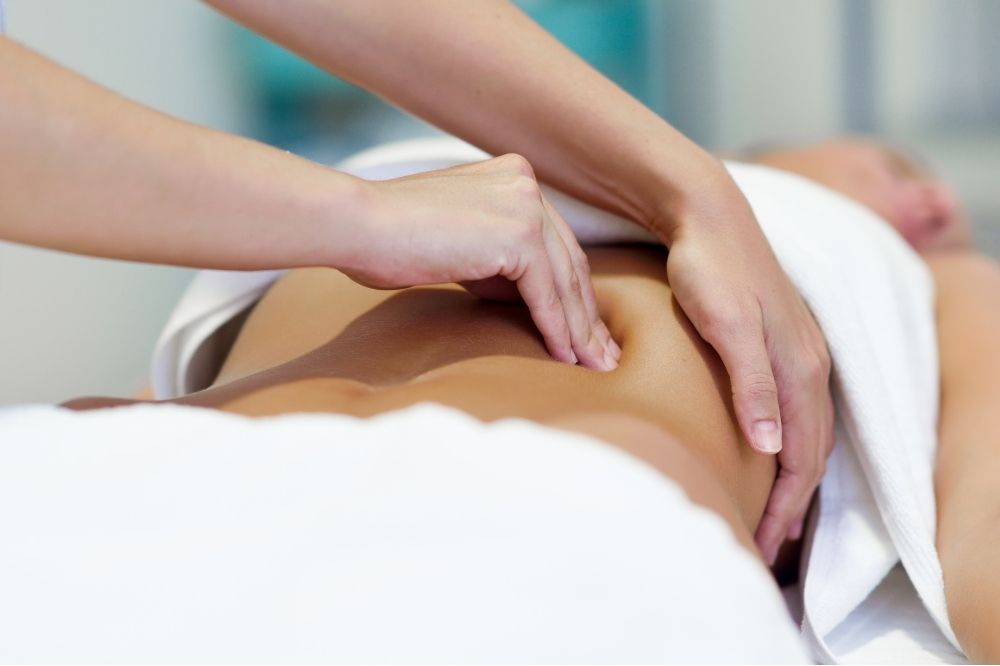
Most people notice some improvement within 1–3 sessions. Full results for more stubborn or long-standing problems can take 4–6 sessions.
Whether the osteopathy treatment is working depends on what you’re being treated for and how your body responds.
In this guide, we break things down by condition and what happens in your body between sessions.
How Long Does Osteopathy Take to Work?
Here’s the breakdown, condition by condition:
| Condition type | Typical sessions needed | Expected timeframe |
| Acute muscle strain or recent injury | 1–3 sessions | 1–2 weeks |
| General back or neck pain | 2–3 sessions | 2–4 weeks |
| Sciatica | 4–6 sessions | 4–8 weeks |
| Arthritis or chronic joint pain | Ongoing, gradual | Months, with maintenance |
| Posture-related tension (desk work) | 1–2 for relief, more to correct | 3–6 weeks |
These are general guides, not guarantees. Your osteopath will give you a clearer picture once they’ve assessed you properly, but this table should give you a realistic starting point.
What Happens in Your First Osteopathy Session
Your first appointment does more than just “start treatment”; it’s where your osteopath figures out what’s going on and how quickly you’re likely to respond.
Expect questions about your symptoms, medical background, lifestyle, and daily habits. Your osteopath will also check your physicality, including your posture and joint mobility.
Most first sessions include some treatment straight away, eg- soft tissue work, joint mobilisation, or gentle manipulation, depending on what’s needed.
You’ll then leave with a few simple pointers on posture, movement, or exercises to do at home.
Some people feel looser or less sore by the time they leave. Others feel a bit of mild soreness for 24–48 hours afterwards; this is a normal response as your body adjusts.
If you want to understand what’s actually happening in the body during treatment, our guide to the science behind osteopathy breaks it down properly.
Why Recovery Time Varies From Person to Person
No two patients heal at the same speed. A few factors explain why.
Acute vs Chronic Conditions
This is the biggest factor in how long osteopathy takes to work.
Acute problems tend to respond fast, often within 1–3 sessions, because there’s no long-term tissue change to unwind.
Chronic problems that have built up over months or years take longer, usually 4–6 sessions or more, because the body has had time to develop compensations and imbalances around the original issue.
If you’re curious about the mechanics behind this, our comprehensive guide on how osteopathy works goes into more detail on why treating the root cause takes longer than just easing a symptom.
Age, Fitness and Overall Health
- Younger, more active bodies generally recover faster due to better circulation and tissue elasticity.
- Underlying conditions can extend timelines, though they don’t rule treatment out.
- Stronger, more mobile bodies tend to respond to manual therapy more quickly.
Lifestyle and Daily Habits
What you do between sessions matters just as much as the treatment itself.
- Long hours at a desk or poor posture can undo some of the progress made in each session.
- Staying active with gentle movement supports faster healing.
- Following your osteopath’s aftercare advice speeds things up.
- Basics like sleep, hydration, and stress levels all affect how efficiently your body heals.
Osteopathy Session Timelines by Condition
Here’s a closer look at what to expect for some of the most common reasons people book osteopathy.
Back and neck pain: Acute strains often ease within 2–3 sessions. Longer-standing back pain may need a more structured course.
Sciatica: Because this involves nerve irritation rather than just muscle tension, it usually needs a longer run of treatment, often alongside home exercises.
Arthritis and chronic joint pain: This isn’t a “fix and done” situation. Expect gradual improvement over weeks, with occasional maintenance sessions to keep things comfortable long-term.
Postural issues from desk work: Initial relief often comes within 1–2 sessions, but retraining movement patterns so the problem doesn’t creep back usually takes more.
Pregnancy-related pain: Timelines here depend heavily on the stage of pregnancy and which symptoms you’re dealing with. If this applies to you, our articles on osteopathy during pregnancy and how osteopathy can help during pregnancy are worth a read alongside this one.
What If You Don’t Feel Better Right Away?
This is the part most osteopathy guides skip, and it’s often the most important question on your mind.
Mild soreness or tiredness for a day or two after a session is completely normal. Your body is adjusting to changes in movement and circulation, not reacting badly to treatment. This isn’t the same as treatment “not working.”
That said, it’s fair to expect some change within the first two or three sessions. If you’re several sessions in with no shift at all, please raise this directly with your osteopath. They may adjust their approach, investigate further, or suggest a different form of treatment altogether.
We’ve written more on this in Why do I Feel Worse After Osteopathy, and if you have any concerns about treatment itself, Is Osteopathy Safe covers the risks and precautions in full.
How to Get Faster, Longer-Lasting Results
A few simple habits can shorten your recovery timeline:
Be consistent. Sticking to the recommended schedule works better than sporadic, spaced-out visits.
Do your homework. Any exercises or posture advice given between sessions are there for a reason.
Keep moving. Gentle activity supports healing.
Talk to your osteopath. If something isn’t improving the way you expected, say so. Treatment plans can and should be adjusted.
What This Means for You
So, how long does osteopathy take to work? For most people, the honest answer is: some relief within 1–3 sessions, and fuller results by session 4–6, longer still for chronic or complex conditions. It’s not an instant fix, but it’s also not a leap of faith. It’s a process your osteopath can explain clearly from your very first visit, with realistic milestones along the way.
If you’re not sure where to start, our guide to what osteopathy is is a good place to begin. Or, if you’re ready to get moving, take a look at our osteopathy treatments and book an assessment.
FAQs
How soon will I feel results after my first osteopathy session?
Many people notice some change straight away, less pain, easier movement, or reduced tension. For chronic conditions, improvement usually builds gradually over the first few sessions.
How many osteopathy sessions will I need in total?
It depends on the condition. Acute strains often resolve in 2–3 sessions. Sciatica, arthritis, and long-standing postural problems typically need 4–6 or more.
Why do some people feel instant relief while others take longer?
Instant relief is more common with acute issues, where a single restriction or muscle spasm can be released quickly. Long-standing problems involve more tissue change and compensation, so they take longer to unwind.
Can osteopathy make symptoms feel worse before they improve?
Mild soreness for 24–48 hours after a session is normal and settles on its own. It’s different from symptoms genuinely worsening; if that happens, tell your osteopath.
Do I need ongoing maintenance sessions, or is it a one-off treatment?
Not everyone does. Some people fully recover and only return if a new issue comes up. Others, especially with chronic conditions or physically demanding jobs, find occasional check-ups helpful for staying pain-free.
How long does osteopathy take to work for sciatica specifically?
Sciatica usually needs a longer course than general back pain because it involves nerve irritation rather than just muscular tension.
Recent Comments