
Pregnancy brings aches and pains that can make daily life uncomfortable, and massage is one of the most natural ways to find relief. But is it actually safe when you’re pregnant?
The short answer is that it depends on a number of things. In this guide, we’ll walk you through when deep tissue massage is safe during pregnancy, when it isn’t, what the alternatives are, and what you can realistically expect from a session with a trained therapist.
What is Deep Tissue Massage?
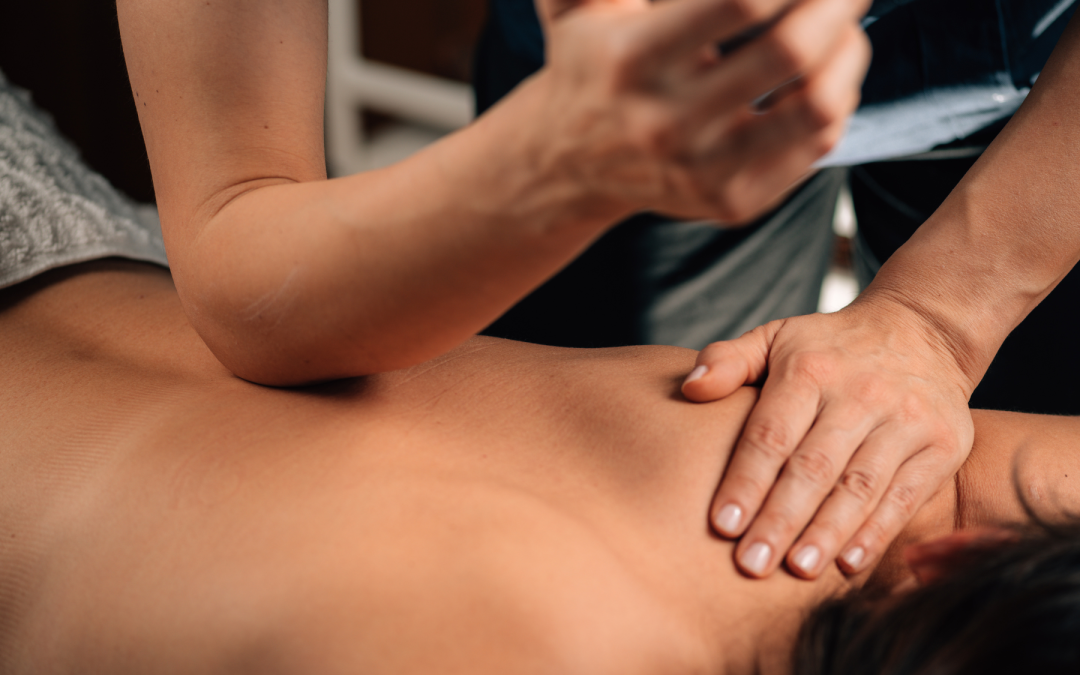
Deep tissue massage uses slow, firm pressure to reach the deeper layers of muscle and connective tissue. It’s designed to release tension and ease pain, particularly in areas like the lower back, neck, and shoulders.
That deeper pressure is exactly what makes it so effective for back pain and tension, and also what makes it something to approach carefully during pregnancy.
Is a Deep Tissue Massage Safe During Pregnancy?
A standard deep tissue massage, performed by a therapist who isn’t trained in pregnancy massage, isn’t recommended. However, a qualified therapist who is trained in pregnancy massage can incorporate adapted deep tissue techniques safely.
First trimester (weeks 1–12)
Most therapists and professional guidelines advise against deep tissue massage in the first trimester. This isn’t because massage has been proven to cause harm, but because the risk of miscarriage is naturally higher in these early weeks.
Second trimester (weeks 13–26)
The second trimester is considered the safest window for pregnancy massage. Your risk of miscarriage has reduced. A skilled therapist can work on your upper back, shoulders, hips, and legs using adapted deep tissue techniques. You’ll be positioned on your side rather than lying face down.
Third trimester (weeks 27–40)
Massage is still possible in the third trimester and can be helpful for swelling and discomfort. Positioning becomes more of a consideration, and a good therapist will use bolsters and side-lying setups to keep you comfortable.
There are certain areas your therapist will avoid, particularly around the ankles and lower legs, where specific pressure points are thought to potentially stimulate contractions. A trained therapist will know exactly where these are.
Benefits of Massage During Pregnancy
Research suggests that when done safely, pregnancy massage offers more than just temporary relief. It can offer many benefits, improving your comfort and wellbeing throughout each trimester.
Here’s what you can expect:
Lower Back and Hip Pain Relief
Lower back and hip pain is one of the most common complaints during pregnancy. As your baby grows, extra strain is placed on the lower back, hips, and pelvis. Targeted massage can ease this tension and reduce muscle tightness.
Reduced Muscle Tension
Your posture changes during pregnancy, and your shoulders and upper back bear the brunt of it. Massage helps release built-up tension in these areas, giving you a greater range of movement and reducing the aching stiffness that can build up day to day.
Better Sleep
Getting comfortable enough to sleep well is a challenge during pregnancy. Massage helps relax sore muscles that make lying down uncomfortable, and it may improve serotonin levels for healthy sleep regulation. Better sleep means more time for your body to recover and support your growing baby.
Reduced Anxiety and Stress
Research has shown that massage can lower cortisol levels, which is beneficial for both you and your baby. Beyond the physical, the sense of calm that follows a good massage can help ease the anxiety and emotional ups and downs that come with pregnancy.
Less Swelling
Fluid retention in the legs and feet is common during pregnancy. Gentle massage techniques can support lymphatic drainage, encouraging the body to move excess fluid more effectively and reducing that heavy, swollen feeling.
When to Avoid Deep Tissue Massage During Pregnancy
There are some situations where massage, and deep tissue massage in particular, should be avoided. These include:
- Pre-eclampsia or high blood pressure
- Blood clotting disorders or a history of DVT
- Placenta praevia
- A history of premature labour
- Recent surgery or injury
- Severe morning sickness or nausea
- Any undiagnosed swelling, pain, or unexplained symptoms
This list isn’t exhaustive. Some gentle massage may still be appropriate in certain cases.
Areas to Avoid During a Deep Tissue Massage if Pregnant
Even with a qualified massage therapist, certain areas of the body require extra caution, or should be avoided altogether. Here’s what to be aware of:
The Abdomen
Direct, deep pressure on the abdomen should always be avoided during pregnancy. Light, gentle touch may be fine for some women in later trimesters. If in doubt, leave it out.
Pressure Points in the Ankles and Wrists
Certain pressure points are believed to stimulate uterine contractions. The most commonly cited is the SP6 point, just above the inner ankle. Most trained therapists will avoid these areas as a precaution, especially in the first and second trimesters.
The Inner Legs and Thighs
Deep pressure along the inner thighs and calves should be avoided due to evidence that there is an increased risk of deep vein thrombosis (DVT) during pregnancy. The body produces more clotting factors when pregnant, making blood clots more likely, and a deep tissue massage could dislodge one.
Deep Tissue Massage vs. Pregnancy Massage
Pregnancy massage is a category of massage specifically designed for pregnant women. It uses adapted techniques and lighter pressure in sensitive areas to keep both mum and baby safe and comfortable.
Deep tissue massages aren’t designed with pregnancy in mind. A qualified massage therapist, however, will be able to draw on deep tissue techniques where it’s safe and appropriate to do so, working more on the shoulders and upper back, for example, while being fully aware of what to avoid and how to adapt the session to your stage of pregnancy.
How Often Should You Get a Massage During Pregnancy?
There’s no one-size-fits-all answer here, but a general guide is:
First trimester: Most therapists recommend waiting, or keeping sessions very infrequent and gentle if you do go ahead
Second trimester: Once a month is a good starting point for most women
Third trimester: Some women find fortnightly sessions helpful as discomfort increases.
If you’re dealing with persistent back pain or high stress levels, more frequent sessions may be appropriate.
Aftercare Tips for Pregnant Clients Receiving Massage
What you do after your massage matters just as much as the treatment itself. These aftercare steps can help you get the most out of your session and keep both you and your baby safe.
Drink Plenty of Water: Massage helps flush toxins from the muscles. Drinking water afterwards helps your body clear these out and reduces post-massage soreness.
Rest: Your body has just done a lot of work, even if it didn’t feel like it. Give yourself time to rest after your session rather than rushing back into a busy schedule. Even 20–30 minutes of lying down quietly can help your body absorb the full benefits of the treatment.
Avoid Intense Activity Afterwards: This isn’t the time to head straight to the gym or run errands. Light, gentle movement such as a short walk is fine, but strenuous activity can leave muscles feeling more fatigued.
Eat a Light Snack: Some women feel lightheaded or low in energy after a massage. Having a light snack beforehand or immediately after can help stabilise your blood sugar and keep you feeling steady on your feet.
Monitor How You Feel: Some mild muscle soreness in the day or two following a massage is completely normal. However, if you experience unusual pain, cramping, dizziness, or anything that concerns you, contact your midwife or GP.
Avoid Hot Baths or Saunas: Massage already increases circulation and raises skin temperature slightly. Having a hot bath or sauna straight afterwards can cause overheating. A lukewarm shower is a much safer option if you want to freshen up post-treatment.
Deep Tissue Massages at Concordia Clinic
If you’re pregnant and dealing with aches and pains, or just in need of some proper relaxation and relief, our team at Concordia Clinic is here to help. Our therapists are experienced in deep tissue massage and will tailor every session to where you are in your pregnancy and what your body needs.
Get in touch to discuss your needs and to book your session.
Frequently Asked Questions
Is it safe to have a deep tissue massage in the first trimester?
Most therapists advise against deep tissue massage in the first trimester. This is because the risk of miscarriage is naturally higher in early pregnancy.
Can massage cause a miscarriage?
There is no evidence that pregnancy massage causes miscarriage. The caution around the first trimester is precautionary. However, it’s important to use a therapist who is trained in giving massages to pregnant women, as they will know which techniques and pressure points to avoid.
Do I need a GP’s note before getting a pregnancy massage?
It depends on the clinic and your individual circumstances. Some clinics will ask for GP or midwife approval. If you’re unsure, it’s always worth checking with your GP or midwife before booking, and letting your therapist know your full medical history at the start of your session.
Can I lie on my front during a pregnancy massage?
No, lying face down puts direct pressure on your abdomen, which is not safe during pregnancy. A trained therapist will position you on your side, supported by cushions or bolsters, to keep you and your baby comfortable throughout the session.
Will a pregnancy massage induce labour?
Certain pressure points are traditionally thought to stimulate contractions, which is why trained therapists avoid them. A properly conducted pregnancy massage is not known to induce labour.
How long does a pregnancy massage session last?
Sessions last between 60 and 90 minutes. In the later stages of pregnancy, a shorter session may be more comfortable. Your therapist can advise on what’s appropriate based on your trimester and how you’re feeling on the day.
Recent Comments