
Picture two athletes with near-identical talent, training, and physical conditioning. One freezes under pressure, misses the shot, and spirals into self-doubt for the rest of the game. The other stays calm, executes, and moves on to the next play as if nothing happened.
The mental gap we just described is exactly what sport psychology is built to close.
Sport psychology gives athletes practical, science-backed tools to manage pressure, sharpen focus, build confidence and bounce back from setbacks.
In this guide, we’ll break down exactly how it works, the techniques used by elite athletes, and how you can start applying them yourself.
What Is Sport Psychology?
Sport psychology is the study of how mental and emotional factors affect athletic performance, and how participating in sport shapes an athlete’s psychological development.
Unlike clinical psychology, which focuses on treating mental health conditions, sport psychology is performance-focused. It’s about equipping athletes with tools to manage nerves and perform consistently.
Sport psychology principles apply just as much to a weekend 5K runner as it does to professional athletes.
7 Ways Sport Psychology Enhances Athletic Performance
Sport psychologists teach specific, repeatable techniques. Here are the most widely used ones and how each one improves performance.
Goal Setting
Vague ambitions like “get better” don’t move the needle. Sport psychologists help athletes set specific, measurable goals tied to real progress markers.
Breaking big ambitions into process goals gives athletes a sense of control and daily motivation, even when the scoreboard doesn’t cooperate.
Visualisation and Mental Rehearsal
Elite athletes spend as much time rehearsing in their heads as they do on the field. Visualisation builds the same neural pathways as physical practice, so the body reacts faster and with more confidence when it counts.
Positive Self-Talk
The voice in an athlete’s head can be their biggest asset or their worst enemy. Sports psychologists train athletes to catch negative self-talk and replace it with constructive language.
Novak Djokovic is well known for talking himself through high-pressure points on court, a habit credited with helping him stay composed during Grand Slam finals.
Focus and Concentration Training
Crowds, rivals, scoreboards and doubts create endless distractions in competitive sport. Athletes who can’t filter out the noise “choke” under pressure, even with superior physical skill.
Managing Anxiety and Stress
Performance anxiety shows up as tight muscles, racing thoughts, or a complete mental blank at the worst possible moment. Left unmanaged, stress hijacks performance before an athlete even gets started.
Building Resilience
Injuries, losses, and bad calls are part of every athletic career. What separates athletes who recover quickly from those who spiral is resilience, a skill that can be trained, not just something you’re born with.
Team Communication
For team sports, individual mental skills only go so far. Sport psychologists also work on group dynamics to turn a group of talented individuals into an actual team.
The Science Behind It
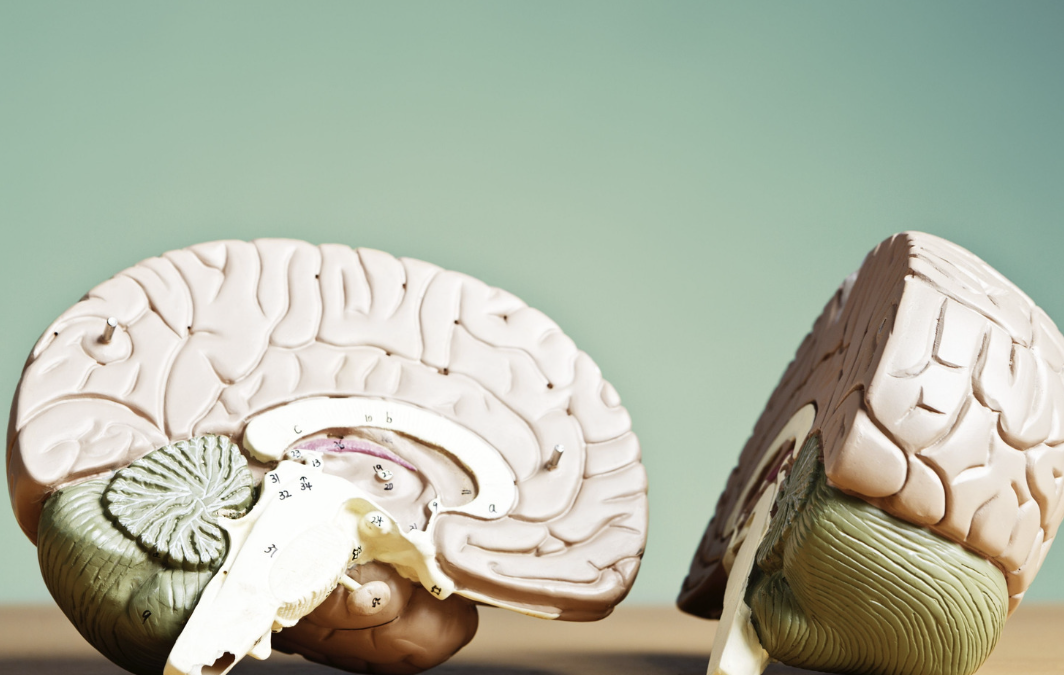
Sports psychology is backed by changes in brain activity. Three areas do most of the heavy lifting:
Motor cortex: controls coordination and motor skills. Techniques like repeated mental rehearsal help sharpen this area, improving movement precision and reducing fatigue.
Prefrontal cortex: responsible for decision-making and impulse control. Observation and imagery training strengthen this region, leading to calmer, sharper decisions under pressure.
Amygdala: the brain’s fear and emotion centre. Managing this is central to keeping composure, which is why so much sports psychology work focuses on emotional regulation.
Real-World Examples
Some of the most successful athletes in history credit sports psychology as a performance edge.
| Athlete | Technique Used | Psychologist |
| Michael Jordan | Mindfulness and mental control | George Mumford |
| Iga Świątek | Emotional regulation | Daria Abramowicz |
| Novak Djokovic | Positive self-talk | Self-directed practice |
Across professional sport, mental performance work has moved from a taboo topic to a standard part of training programmes.
Who Can Benefit From Sports Psychology?
You don’t need a professional contract to benefit from these techniques. Sports psychology applies to:
- Recreational athletes looking to enjoy their sport more and beat their personal bests
- Youth athletes building confidence and healthy competitive habits early
- Coaches wanting to improve team culture and communication
- Non-sport performers who face high-pressure moments requiring focus and composure
How to Start Applying Sports Psychology Techniques Today
You don’t need a psychologist to start building mental skills. Try these first:
- Journal your goals: write down one process goal for your next session
- Practise five minutes of visualisation before training or competition
- Build a pre-performance routine: even something as simple as a breathing pattern or a set warm-up sequence
- Catch and reframe negative self-talk the moment you notice it
For persistent performance anxiety or motivation issues, working with a qualified sports psychologist will get you further, faster than self-guided practice alone.
Ready to Train Your Mind Like You Train Your Body?
Sports psychology is a skill set, and like any skill, it gets sharper with the right guidance. The techniques in this guide are your starting point.
If you’re serious about turning mental training into measurable results, working with a qualified professional makes all the difference. Concordia Clinic’s sport psychology offers tailored support for athletes at every level, helping you build the focus and confidence to perform when it matters most.
Frequently Asked Questions
Does sports psychology really work?
Yes. Research links sports psychology interventions to reduced competition anxiety and improved performance outcomes, and mental readiness is considered one of the strongest predictors of elite competitive success.
Do I need to be a professional athlete to benefit from sports psychology?
No. Recreational athletes, youth players, and even non-athletes in high-pressure roles can use the same techniques to build focus and resilience.
What’s the difference between a sports psychologist and a mental performance coach?
A sports psychologist holds a psychology qualification and can address deeper mental health factors alongside performance, while a mental performance coach usually focuses purely on skills like confidence and routine-building without clinical training.
How long does it take to see results from sports psychology techniques?
Simple techniques like breathing and self-talk can have an immediate calming effect, but building lasting habits takes consistent practice over several weeks or months.
Can I practice sports psychology techniques on my own?
Yes, goal setting, visualisation and self-talk are all things you can start using solo. For anxiety or performance blocks that don’t improve, it’s worth speaking to a qualified professional.
Recent Comments