
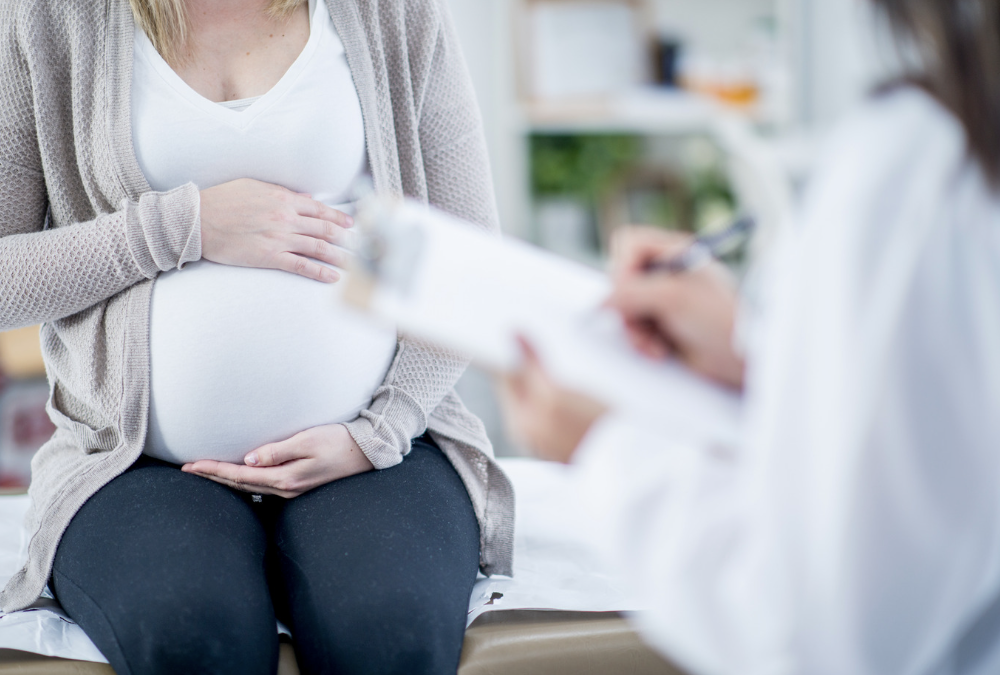
If you’re pregnant and dealing with aches and pains, you may have considered osteopathy as a treatment.
When carried out by a qualified osteopath, osteopathic treatment is considered safe at every stage of pregnancy. Many expectant mothers turn to it as a gentle, drug-free way to manage the discomfort.
In this article, we’ll cover why pregnancy causes pain in the first place, how osteopathy can help, whether it’s safe at every trimester, what to expect from a session, and how it can support you after birth too.
Is Osteopathy Safe During Pregnancy?
Yes, osteopathy is safe during pregnancy. Osteopaths undergo a minimum of four years of training, and many who treat pregnant patients complete additional postgraduate training specifically in women’s health and antenatal care.
All registered osteopaths in the UK are regulated by the General Osteopathic Council (GOsC), which means you can expect a consistent, professional standard of care.
Techniques used during pregnancy are gentle and always adapted to you. A good osteopath will talk you through what to expect and answer any questions before treatment begins, so you feel comfortable and informed throughout.
It is important to bear in mind that not every treatment is completely safe during pregnancy; for example, cryotherapy is generally not recommended while pregnant, whereas osteopathy is considered safe throughout.
Why Does Pregnancy Cause Pain?
Up to two-thirds of pregnant women experience back pain at some point during pregnancy or in the months afterwards. The reasons for this are as follows:
Hormonal changes – early in pregnancy, the hormone relaxin loosens your ligaments to prepare your body for birth.
Postural changes – as your baby grows, your centre of gravity shifts, placing new demands on your spine
Increased load – extra weight puts more pressure on the back, hips, and pelvis
If you’re looking for other ways to ease this discomfort, deep tissue massage during pregnancy is another option worth exploring alongside osteopathy.
Conditions Osteopathy Can Help With During Pregnancy
| Condition | How Osteopathy Helps |
| Symphysis Pubis Dysfunction | Gentle mobilisation to improve pelvic balance and reduce strain |
| Sciatica | Releasing tension along the lower back and hips to ease nerve irritation |
| Lower back pain | Improving mobility and easing pressure on the spine |
| Neck and shoulder tension | Releasing tightness caused by postural changes |
| Headaches | Easing tension that can build up in the neck and upper back |
| Coccyx pain (coccydynia) | Gentle techniques to relieve pressure on the tailbone |
| Rib and digestive discomfort | Creating more space as the baby’s position changes |
Is Osteopathy Safe in Every Trimester?
Osteopathy is safe throughout pregnancy, but the techniques used will change as your body does.
First Trimester
Treatment is very gentle. Osteopaths will usually avoid higher-force joint manipulation and will adapt your position for comfort, since your bump hasn’t yet developed.
Second Trimester
This is the most comfortable stage for treatment. The focus tends to shift towards supporting posture as your bump grows and your centre of gravity changes.
Third Trimester
Positioning is adapted further; you’ll be treated side-lying or supported rather than face-down. Treatment often focuses on pelvic balance in preparation for labour, alongside continued pain relief.
What Happens in an Osteopathy Session During Pregnancy?
A session will include:
- A conversation about your health history and any symptoms you’re experiencing
- A physical assessment of your posture, spine, and pelvis
- Hands-on treatment: this might include soft tissue massage, gentle joint mobilisation, cranial osteopathy, or stretching
- Advice on posture and movement to support you between sessions
Every session is adapted to how you’re feeling that day, so treatment can flex with you as your pregnancy progresses.
Benefits of Osteopathy During Pregnancy
Beyond easing specific aches and pains, regular osteopathic treatment offers a range of benefits that can make pregnancy feel more manageable day to day. Here’s what many expectant mothers notice.
Natural pain relief
Many over-the-counter painkillers aren’t recommended during pregnancy. Osteopathy offers a hands-on alternative, easing discomfort without medication.
Improved mobility
As ligaments loosen and joints become less stable, it’s common to feel stiff or restricted, especially first thing in the morning or after sitting for long periods.
Gentle mobilisation techniques help restore movement in the lower back and pelvis, making everyday tasks noticeably easier.
Better posture and reduced strain
Your centre of gravity shifts over nine months, and your body naturally compensates. An osteopath can offer advice to help you carry your changing shape more comfortably, reducing strain on your back, hips, and shoulders.
Better relaxation and improved sleep
Pregnancy can make it hard to get comfortable. The hands-on nature of osteopathic treatment leaves patients feeling more relaxed, which can translate into better-quality sleep.
If swelling or fluid retention is also a concern, lymphatic drainage during pregnancy can work well alongside osteopathy to support comfort.
What to Look for in a Pregnancy Osteopath
Not every osteopath specialises in pregnancy care, so it’s worth checking for:
- Registration with the General Osteopathic Council (GOsC)
- Postgraduate training or a specialism in women’s health, antenatal, or postnatal care
- Personal or clinical experience treating pregnant patients
- Someone who takes the time to answer your questions and explain what to expect before you begin treatment
Osteopathy After Birth
In the months after birth, your ligaments are still lax, and your abdominal muscles need time to regain strength. Add in the physical demands of new motherhood, and it’s easy to see why new mums experience discomfort.
A postnatal osteopathy check-up can help with:
- Rebalancing the pelvis after delivery
- Releasing tight back, neck, or shoulder muscles from labour and early motherhood
- Supporting core and pelvic floor recovery
- Advice on posture and rebuilding strength safely
Ready to Feel More Comfortable in Your Pregnancy?
Osteopathy offers a safe, gentle, and natural way to manage the aches and pains that come with pregnancy at every trimester. If you’re experiencing discomfort, our services may benefit you.
Get in touch with our team to find out how we can support you through pregnancy, birth, and beyond.
Frequently Asked Questions
Is osteopathy safe in early pregnancy?
Yes. Osteopathy is safe from the earliest stages of pregnancy. Techniques are simply gentler, and positioning is adapted for your comfort before your bump develops.
Can osteopathy help induce labour?
Osteopathy isn’t a method for inducing labour, but by improving pelvic balance and mobility in the lead-up to your due date, some women find it supports a more comfortable labour experience.
Is it safe to lie face down for osteopathy while pregnant?
In early pregnancy, before your bump develops, lying face down is generally fine if you’re comfortable. As your pregnancy progresses, your osteopath will adapt your position to keep you comfortable.
How many osteopathy sessions will I need during pregnancy?
This varies from person to person. Some women see an osteopath a handful of times to manage a specific issue, while others prefer regular sessions throughout their pregnancy for ongoing support.
Can osteopathy help after a caesarean or vaginal birth?
Yes. Osteopathy can support recovery after both types of delivery, helping with pelvic balance, muscle tension, and the physical strain of early motherhood.
Is osteopathy covered by health insurance?
This depends on your provider and policy. It’s worth checking directly with your insurer to see whether osteopathy treatment is included.
Recent Comments