
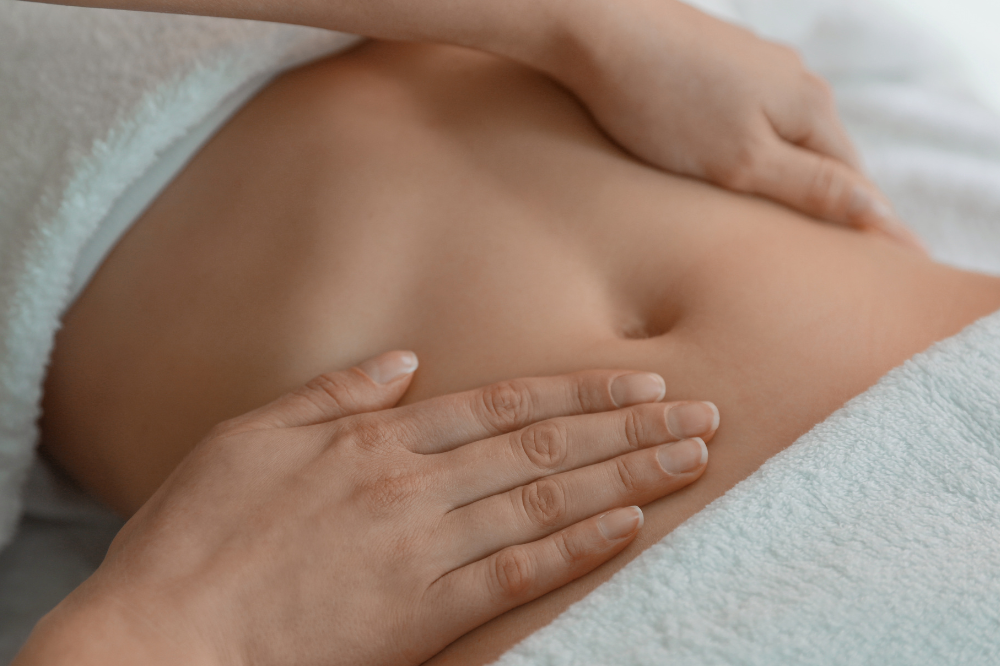
Lymphatic drainage massage is generally safe during pregnancy, but it comes with conditions. You need a qualified therapist and clearance from your midwife or GP if you have any complications.
Get those things right, and it can be a genuinely useful therapy for managing some of the more uncomfortable physical changes that come with carrying a baby.
What Is a Lymphatic Drainage Massage?
Manual lymphatic drainage (MLD) is a gentle, rhythmic massage technique designed to stimulate the lymphatic system, a network of vessels and nodes that helps the body remove waste, excess fluid, and immune cells from the tissues.
Unlike deep tissue or sports massage, the pressure used is very light. Therapists use slow, circular or pumping movements to encourage lymph fluid to flow towards the lymph nodes, where it gets filtered and returned to the bloodstream.
The technique was developed in the 1930s by Danish physiotherapists Emil and Estrid Vodder and is now used in clinical settings, particularly for treating lymphoedema, post-surgical swelling, and conditions where the body retains fluid.
Who Should Avoid Lymphatic Drainage During Pregnancy?
Yes, for most women, lymphatic drainage massage is considered safe, and it’s one of the gentler forms of bodywork available. The extremely light pressure distinguishes it from massage styles that carry more caution in pregnancy.
That said, you should not have lymphatic drainage if you have:
- Pre-eclampsia or high blood pressure
- Deep vein thrombosis (DVT) or a history of blood clots
- A current infection or fever
- Heart or kidney conditions affecting fluid balance
- Placenta praevia or any bleeding during pregnancy
Always tell your therapist you’re pregnant and how far along you are. A qualified therapist will adapt the session accordingly, avoiding pressure on the abdomen in the first trimester and adjusting positioning as your bump grows.
Some therapists and midwives recommend waiting until after 12 weeks, particularly if you have a history of miscarriage.
For more information on what to avoid after a lymphatic drainage massage, visit our website.
Tips for Getting a Lymphatic Drainage Massage During Pregnancy
Choose a therapist with pregnancy experience.
General massage training isn’t the same as understanding how the body changes through each trimester. Look for a therapist who is trained in both MLD and pregnancy massage, or who works regularly with pregnant clients.
Check their qualifications.
In the UK, look for membership with a recognised body such as the Complementary and Natural Healthcare Council (CNHC) or the Federation of Holistic Therapists (FHT). These organisations require members to hold relevant training and insurance.
A few practical things to bear in mind:
- Let your therapist know your exact week of pregnancy, not just that you’re pregnant
- Mention any complications, however minor they seem
- Positioning matters. Lying flat on your back for extended periods isn’t recommended after around 16 weeks, so your therapist should use a side-lying position or a pregnancy bolster.
- Drink water before and after; lymphatic massage moves fluid, and hydration supports that process.
What Happens During a Session?
A pregnancy lymphatic drainage session lasts between 45 and 60 minutes. Your therapist will begin with a brief consultation to understand your stage of pregnancy and any symptoms you’re experiencing.
The treatment itself is very light; there is no deep pressure or discomfort. You’ll be positioned on your side or supported with a bolster rather than lying flat.
Most women find it relaxing, and it’s not uncommon to fall asleep during the session. Pricing varies by clinic and session length.
Benefits of Lymphatic Drainage Massage During Pregnancy
Reduced swelling.
Oedema is swelling caused by fluid retention, typically in the ankles, feet, and legs, and is one of the most common complaints in pregnancy, particularly in the third trimester. Lymphatic drainage encourages the body to reabsorb that excess fluid.
Reduced puffiness
For women who notice swelling beyond the legs, gentle facial and hand drainage can also help.
Better sleep.
Uncomfortable swelling disrupts sleep. Reducing it can make a real difference to how well you rest.
Nervous system support.
The slow, rhythmic nature of the massage activates the parasympathetic nervous system, which encourages the body to shift into a more restful state. Some women find this useful for managing pregnancy-related anxiety.
Reduced heaviness in the legs.
As pregnancy progresses and the growing uterus puts pressure on pelvic veins, many women experience a heavy, aching sensation in the legs. Improved lymph flow can ease this.
Please note: Lymphatic drainage isn’t a treatment for the underlying causes of pregnancy swelling, and it won’t replace medical advice. Sudden swelling should always be reported to your midwife as it can be a sign of pre-eclampsia.
How Often Should You Have Lymphatic Drainage During Pregnancy?
Most practitioners suggest waiting until after the first trimester. Once you’re into the second trimester and your pregnancy is progressing well, monthly sessions are a reasonable starting point.
In the third trimester, when fluid retention tends to peak, some women find fortnightly sessions more useful.
Sessions usually last between 45 and 60 minutes. Pregnancy-specific sessions may be slightly shorter in early appointments to see how your body responds.
There’s no hard rule on frequency; it depends on your symptoms and how your body reacts. If you notice that swelling returns within a few days of each session, more regular appointments may help.
Lymphatic drainage is also popular in the postpartum period, when the body is working to shed the excess fluid retained during pregnancy.
For more information on how often you should get a lymphatic drain massage, visit our website.
Other Ways to Relieve Pregnancy Swelling or Bloating
Lymphatic drainage is useful, but it works best alongside other habits that support fluid balance and circulation.
Elevation: Swelling is the result of fluid building up in your body’s tissues. Keeping your feet raised above hip level when resting encourages fluid to drain away from the lower limbs.
Movement: Walking is one of the best things you can do. The muscle contractions in the legs act as a pump for both blood and lymph.
Compression garments: Compression socks or tights designed for pregnancy apply gentle, graduated pressure to the legs that supports venous return. They’re particularly useful if you sit or stand for long periods. Your midwife can advise on the right compression class for you.
Cool water immersion: Swimming or gentle water aerobics during pregnancy is beneficial for swelling. The hydrostatic pressure of water around the body has a mild compression effect that helps move excess fluid.
Reducing dietary sodium: High salt intake encourages the body to retain water. You don’t need to cut it out entirely, but reducing processed food can help reduce fluid retention.
Dry body brushing: Using a soft-bristled brush in light, sweeping strokes towards the lymph nodes (towards the heart) before showering can provide mild lymphatic stimulation.
Avoid prolonged sitting or standing: If your work involves a lot of sitting, try to move for a few minutes every hour.
Lymphatic Drainage Massage in Liverpool
Lymphatic drainage is generally considered a very safe treatment, useful for swelling, and far gentler than most forms of massage. You may find it becomes one of the more practical things you do for yourself in the months before your baby arrives.
If you’re based in Liverpool and would like to find out more about lymphatic drainage massage during pregnancy, get in touch with the team at Concordia Clinic to see if it is suitable for you. You can also book a session with us at Concordia Clinic.
Frequently Asked Questions
Can lymphatic drainage cause miscarriage?
There is no evidence that lymphatic drainage massage causes miscarriage. The technique uses extremely light pressure and does not stimulate the uterus in the way that some deeper massage styles might.
That said, many therapists recommend waiting until after 12 weeks as a precaution, particularly if you have a history of miscarriage.
Is lymphatic drainage safe in the third trimester?
Yes, and for many women it is most useful in the third trimester, when fluid retention tends to be at its peak. Sessions may become more frequent at this stage, and your therapist will adapt positioning to keep you comfortable as your bump grows.
How many sessions do I need during pregnancy?
This depends on your symptoms. For general maintenance, once a month from the second trimester is a reasonable starting point. If swelling is more pronounced, particularly in the third trimester, weekly or fortnightly sessions tend to be more effective.
Can lymphatic drainage help with pregnancy bloating?
Yes. While bloating from digestive causes is different to fluid retention, lymphatic drainage can help reduce the puffiness and heaviness that often accompany it. The treatment encourages the body to move and reabsorb excess fluid, which many women find eases the overall feeling of fullness and discomfort.
What areas should not be massaged during pregnancy?
There are a few areas a qualified therapist will avoid or treat with extra caution during pregnancy.
The abdomen should not be massaged in the first trimester, and only with care thereafter.
Certain pressure points in the ankles and feet are traditionally avoided as they are thought to stimulate uterine contractions.
Deep pressure to the legs should be avoided due to the increased risk of blood clots during pregnancy. A trained prenatal therapist will be aware of all of these contraindications and adapt the session accordingly.
Recent Comments