
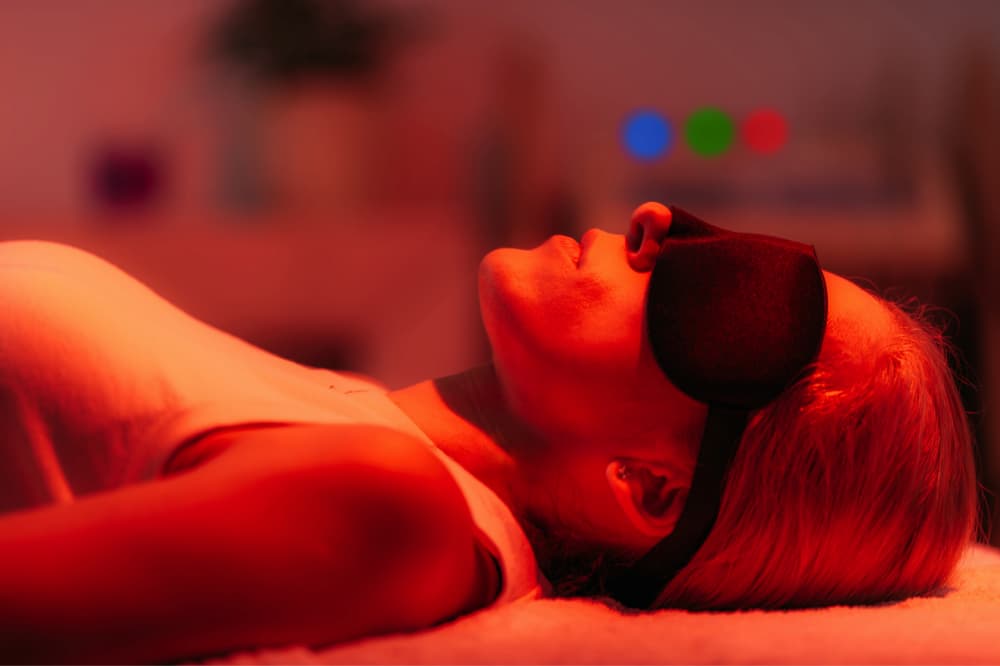
If you or a loved one is undergoing cancer treatment, it’s natural to look for supportive therapies that can help.
Red light therapy is one option that’s often mentioned – but can it help with cancer? Is it safe? Could it make things worse?
Let’s find out. In this guide, we look into the science, potential benefits, risks, and practical guidance so you can make informed decisions.
What is Red Light Therapy?
Red light therapy, also known as photobiomodulation (PBM), uses low-wavelength red or near-infrared light to penetrate the skin and interact with cells. Unlike ultraviolet (UV) light, which can damage DNA, red light delivers energy to cells that may support cellular repair, reduce inflammation, and improve circulation.
Red light therapy is commonly used in clinical settings for:
- Skin rejuvenation
- Pain relief
- Wound healing
- Supporting recovery from chemotherapy or radiotherapy
Learn more about its mechanisms in our detailed guide: What Does Red Light Therapy Do?
How Does Red Light Therapy Work?
Red light therapy primarily works through a process called photobiomodulation. Light photons are absorbed by mitochondria (the energy “powerhouses” of cells), which may increase ATP (cellular energy) production and trigger anti-inflammatory pathways.
In cancer care, red light can be applied in two main ways:
- Supportive PBM – Used to reduce treatment side effects, such as pain, fatigue, or oral mucositis during chemotherapy and radiotherapy.
- Photodynamic Therapy (PDT) – Red light activates a photosensitive drug or device that selectively targets cancer cells. This method is clinically recognised for certain non-melanoma skin cancers but requires a medical setting.
Please note that red light therapy alone is not a cure for cancer. Major guidelines do not recommend it as a standalone oncologic treatment.
Benefits of Red Light Therapy for Cancer
Red light therapy cannot replace conventional cancer treatment – but it may offer the following supportive benefits:
1 – Pain Management
Red light therapy has been shown to reduce pain in several reviews and studies – for example:
- BMJ Open systematic review: Low-level laser therapy reduced pain in tendinopathy and plantar fasciitis by 10–15 mm on a 100-mm scale, with no serious side effects.
- Fibromyalgia study (2024): Whole-body PBM significantly decreased pain and improved quality of life up to six months post-treatment.
So, for cancer patients, PBM can help manage musculoskeletal or neuropathic pain associated with cancer treatments.
2 – Oral Mucositis Relief
Patients undergoing chemotherapy or head-and-neck radiotherapy often experience oral mucositis. Oral mucositis is a common and often painful side effect of cancer treatments, particularly chemotherapy and radiotherapy to the head and neck. It occurs when the lining of the mouth and throat (the mucous membranes) becomes inflamed and ulcerated.
It can cause severe pain and difficulty eating. Professional PBM is widely recognised as effective in preventing and treating this side effect. (Source)
3 – Improved Recovery
Cancer treatments can leave patients feeling fatigued, sore, and stressed, which can impact daily life and recovery. Red light therapy can reduce inflammation, improve circulation, and support tissue repair – which may help patients maintain better physical function and quality of life during treatment.
Red light therapy might also help regulate circadian rhythms, which can lead to restorative sleep and natural healing.
4 – Targeted Cancer Treatment Support
For certain non-melanoma skin cancers, red light is used as part of PDT:
- A photosensitive drug accumulates in cancer cells.
- Red light activates the drug, producing reactive oxygen species that destroy tumour cells.
- This method selectively targets cancer cells without harming surrounding tissue.
Is Red Light Therapy Safe for Cancer Patients?
Safety can depend on the type of cancer, the therapy method, and the light dose…
For general supportive photobiomodulation (PBM), red light therapy is considered safe. It is non-invasive and has been shown to reduce inflammation, relieve pain, and help with side effects such as oral mucositis (all without interfering with chemotherapy or radiotherapy).
However, patients with active skin cancers (especially melanoma) need to be more cautious. A 2023 pre-clinical study found that certain doses of red light may actually increase tumour growth in melanoma models.
Can Red Light Therapy Cause Cancer?
In shot, no – current evidence suggests that low-level red or near-infrared light does not directly cause cancer. However:
- Improper use in patients with active melanoma may pose risks.
- Photodynamic therapy does not cause cancer; it kills cancer cells selectively when used with a photosensitive drug.
So, if you have active melanoma, the best advice is to steer clear of red light therapy.
Can You Use Red Light Therapy at Home?
Yes, you can use red light therapy at home for wellness purposes. Home devices may support with minor pain relief, skin health and muscle recovery. However, they are not a replacement for professional cancer care.
Home panels do not deliver controlled dosages or the specificity required for therapeutic PBM or PDT in oncology.
For safe, professional treatment options, Concordia Clinic provides supervised red light therapy tailored to individual needs.
Ready to Explore Red Light Therapy?
At Concordia Clinic, we provide professional red light therapy in a safe and controlled environment. Our Liverpool-based team can advise on treatment options, help manage side effects, and maximise the supportive benefits of red light therapy.
Book your consultation today and see how red light therapy could complement your cancer care plan.
Recent Comments